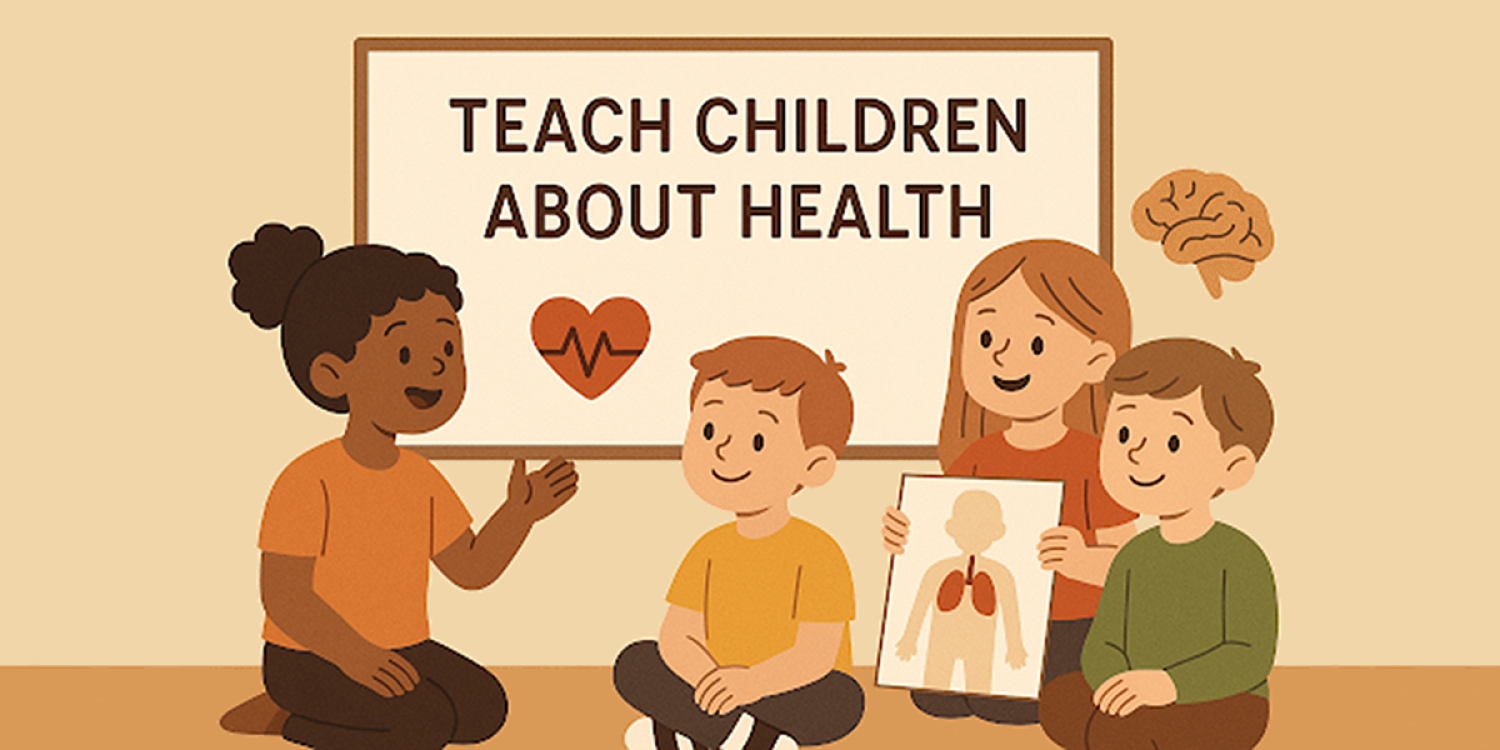
We often wait for a breakdown before we talk about health.
A chronic illness.
A panic attack.
A diagnosis.
A tragedy.
That's when health enters the conversation—too often as an emergency rather than a way of life.
But what if we changed that?
What if, instead of reacting after something happens, we began teaching children—right from the start—about their physical and mental well-being?
When a child falls sick, we rush to doctors.
When a teenager breaks down emotionally, we start looking for therapists.
When stress becomes unmanageable, we finally start thinking about mental health.
But by then, patterns have formed. Coping mechanisms—often unhealthy—have taken root. Beliefs about worth, body image, emotions, and strength are already internalized.
We don't realize that by waiting, we're silently reinforcing the message that health is something we fix, not something we build.
Children are like sponges—they absorb what they see, hear, and feel. Imagine if instead of just math and science, they were also taught:
Mental health and physical health aren't separate silos—they're threads of the same fabric. When kids learn this early, they grow up with the vocabulary to understand their experiences and the tools to care for themselves and others.
We say we want a healthier society, but health education in many places still focuses only on hygiene or sports. We rarely talk about consent, self-esteem, body boundaries, stress, anxiety, or how food impacts mood. And if we do, it's usually after a child starts struggling.
That's too late.
Real change happens not in crisis rooms but in classrooms. In dining rooms. In bedtime conversations. In stories that teach empathy. In games that teach regulation. In safe spaces where children are heard—not fixed.
Because prevention isn't just about catching a disease early—it's about creating an environment where health problems are less likely to occur in the first place. Where being in touch with your emotions, body, and needs is normal, not new.
When we start before the storm, we give children the strength to weather life's challenges with resilience—not fear.
So no, let's not wait until something happens to talk about health.
Let's make it a conversation that begins young and never has to wait for pain to feel important.
In today’s always-connected world, our minds rarely get a chance to breathe. Between endless notifi...
Read More
When most people hear the word psychology, they immediately think of problems—depression, anxiety, t...
Read More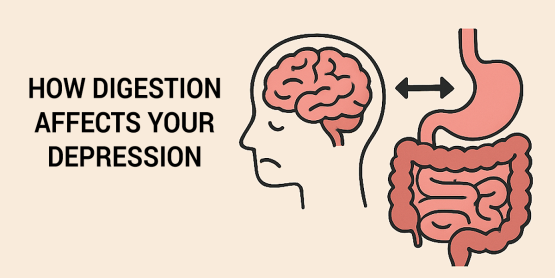
Have you ever felt low, foggy, or anxious—and also bloated, constipated, or nauseous? It’s not a co...
Read More